Take Control of Your Health with At-Home Inflammation Testing
Physical Signs and Wearable Trackers for Systemic Inflammation
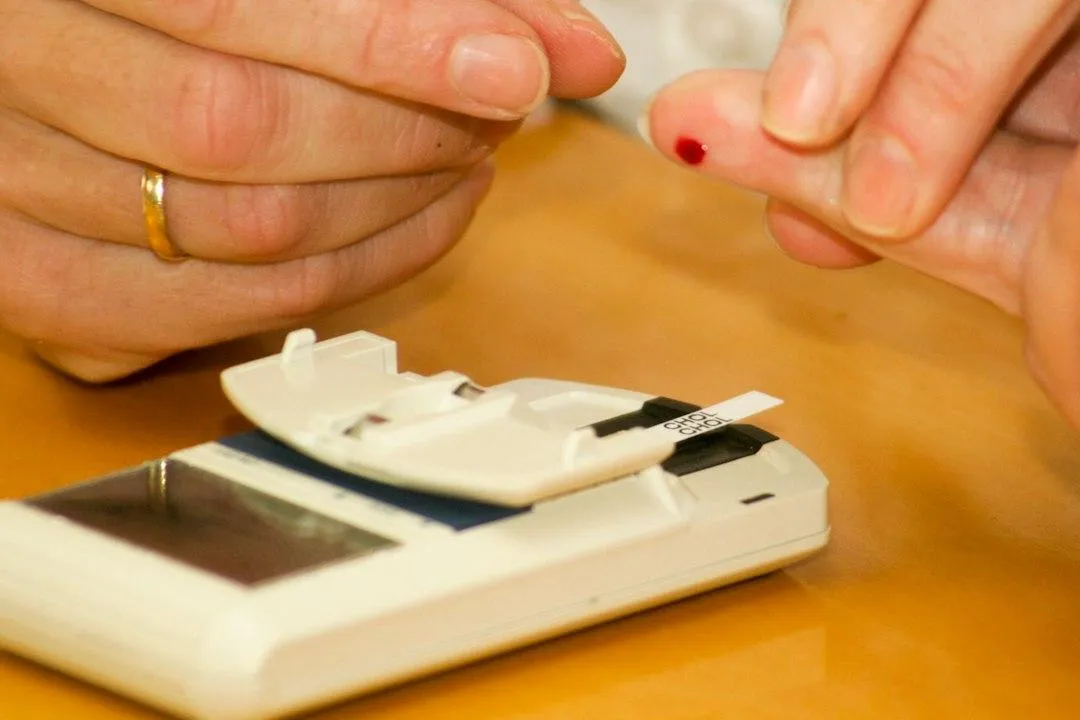
To test for inflammation at home, you can use a finger-prick dried blood spot kit to measure high-sensitivity C-reactive protein (hs-CRP), a key marker of systemic inflammation, or a stool test for fecal calprotectin to assess gut-specific inflammation. These at-home tests provide laboratory-grade results without a clinic visit. Before collecting a single drop of blood, your body constantly broadcasts real-time data about its internal state. While acute inflammation sounds a loud, unmistakable alarm—such as a swollen ankle after a trail run—chronic systemic inflammation operates like a slow leak behind the drywall. Learning how to observe daily physical patterns allows you to spot immune activation long before it sidelines your training.
We often remind our community that learning physical inflammation tracking methods builds the foundational context needed to interpret biochemical lab assays accurately. When you combine subjective physical markers with objective wearable trends, you turn ambiguous sensations into actionable signals.
Subtle Symptoms and Daily Performance Markers
Chronic immune activation rarely announces itself with dramatic symptoms. Instead, it chips away at daily vitality and physical output. According to a 2021 Mayo Clinic bulletin, over 60 percent of individuals experiencing unexplained fatigue exhibit elevated low-grade immune markers. This low-grade immune activation drops physical endurance by nearly 30 percent, turning standard training sessions into exhausting grinds.
Your joints and digestive tract often act as the primary warning systems:
The 30-Minute Stiffness Rule: Waking up with stiff, achy joints that take longer than 30 minutes to loosen up is a classic indicator of elevated inflammatory compounds, particularly circulating interleukins.
Unexplained Fatigue: Persistent, dragging lethargy that does not resolve after 8 hours of quality sleep points toward sustained baseline immune friction.
Digestive Distress: Frequent post-meal bloating, gas, or irregular bowel habits signal intestinal barrier stress, which directly feeds systemic immune pathways.
Dermatological Flare-ups: Sudden bouts of eczema, unexplained rashes, or cystic acne mirror internal inflammatory cascades.
Wearables and Physiological Biomarkers
Modern wearables provide continuous physiological monitoring that captures subtle immune disruptions. When your immune system fights internal friction, your autonomic nervous system shifts out of its restorative parasympathetic state.
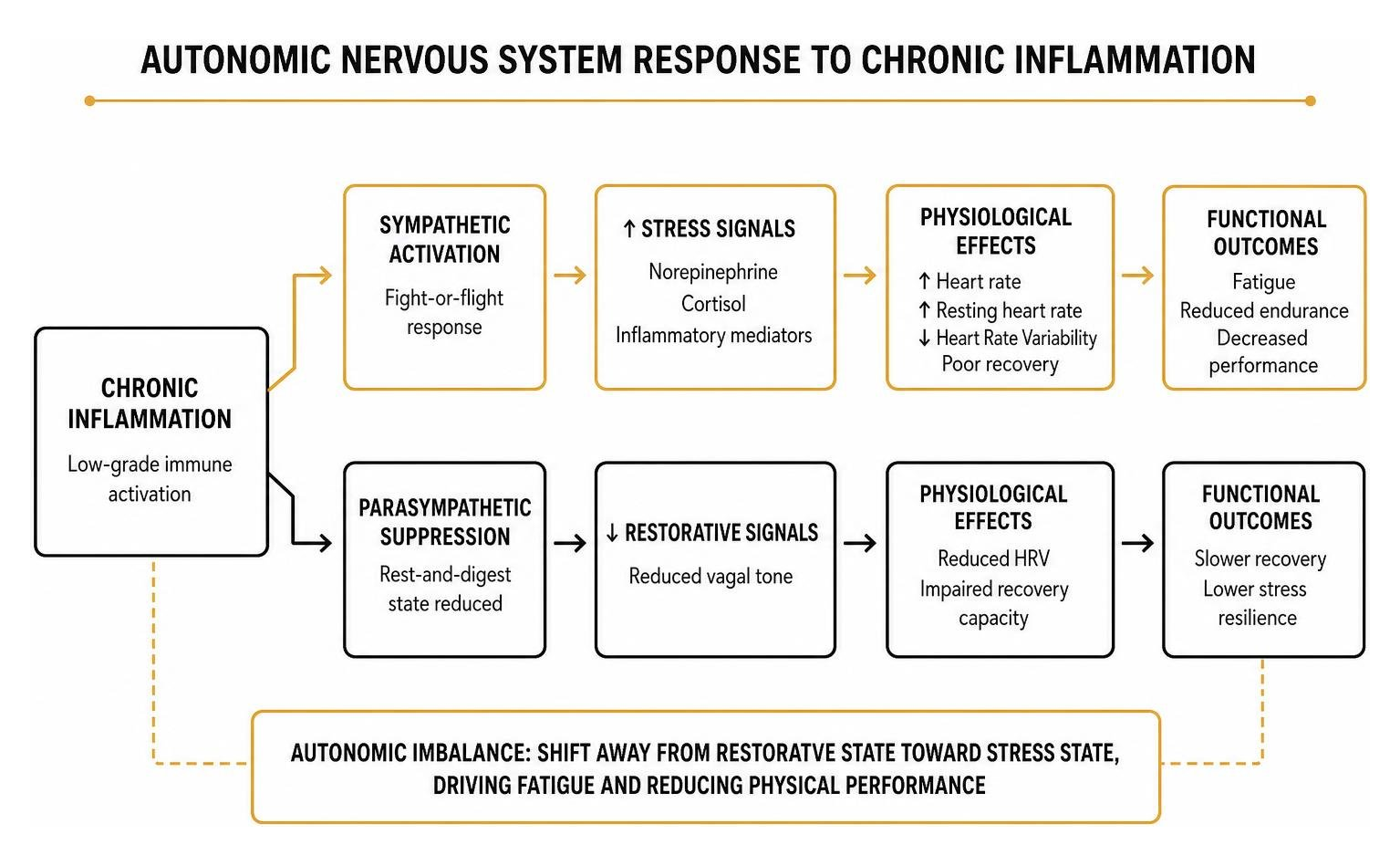
When resting heart rate spikes by 5 to 7 beats per minute above your baseline during sleep, your body is expending massive energy managing internal stress. Paired with a sustained plunge in Heart Rate Variability (HRV), this pattern indicates poor recovery capacity. We also track simple functional metrics like morning grip strength; a sudden 10 to 15 percent drop often serves as a free, reliable proxy for neuromuscular systemic fatigue.
Biomarker Science: How to Test for Inflammation at Home
While physical indicators provide crucial context, biochemical markers quantify the exact magnitude of immune activation. Today's at-home testing landscape offers laboratory-grade precision without requiring a clinic visit.
Understanding which marker to test depends on whether you want to measure whole-body vascular inflammation or localized gastrointestinal irritation.
Biomarker | Primary Focus | Optimal Target | Collection Method | Key Utility |
|---|---|---|---|---|
hs-CRP | Whole-body, cardiovascular & metabolic | < 1.0 mg/L | Dried Blood Spot (Finger-prick) | Detecting low-grade chronic inflammation |
Standard CRP | Acute infection, trauma & major flare-ups | < 8.0 mg/L | Rapid Lateral Flow / Blood Spot | Screening acute illness or severe autoimmune flares |
Fecal Calprotectin | Localized gastrointestinal tract | < 50 µg/g | Stool Sample Swab | Assessing gut mucosal inflammation & barrier integrity |
Standard CRP versus High-Sensitivity hs-CRP Assays
C-reactive protein (CRP) is an acute-phase reactant synthesized by the liver in response to inflammatory cytokines like IL-6. However, standard CRP tests and high-sensitivity CRP (hs-CRP) tests serve entirely different purposes:
Standard CRP: Typically measures concentrations down to roughly 3.0 to 8.0 mg/L. It flags major acute events, severe bacterial infections, or intense autoimmune episodes.
High-Sensitivity hs-CRP: Utilizes advanced laser nephelometry to measure down to 0.1 mg/L. This sensitivity makes hs-CRP the gold standard for uncovering low-grade chronic inflammation, metabolic dysfunction, and cardiovascular risk.
In 2024, an independent review published in London noted a 92 percent accuracy rate for home hs-CRP kits compared to standard hospital assays. For athletes aiming to optimize recovery, hs-CRP is the definitive systemic marker.
Gut-Specific Inflammation and Calprotectin Testing
Systemic blood markers do not capture every issue. Approximately 85 percent of systemic immune responses occur deep within vascular walls and visceral fat deposits, far out of reach from spit samples. Similarly, intestinal lining inflammation often requires localized evaluation.
Fecal calprotectin is a calcium-binding protein released by neutrophils migrating into the intestinal mucosa. Measuring calprotectin via an at-home stool collection kit tells you whether gastrointestinal symptoms stem from active mucosal inflammation or non-inflammatory functional imbalances.
Practical Protocols: Step-by-Step Collection and Accuracy
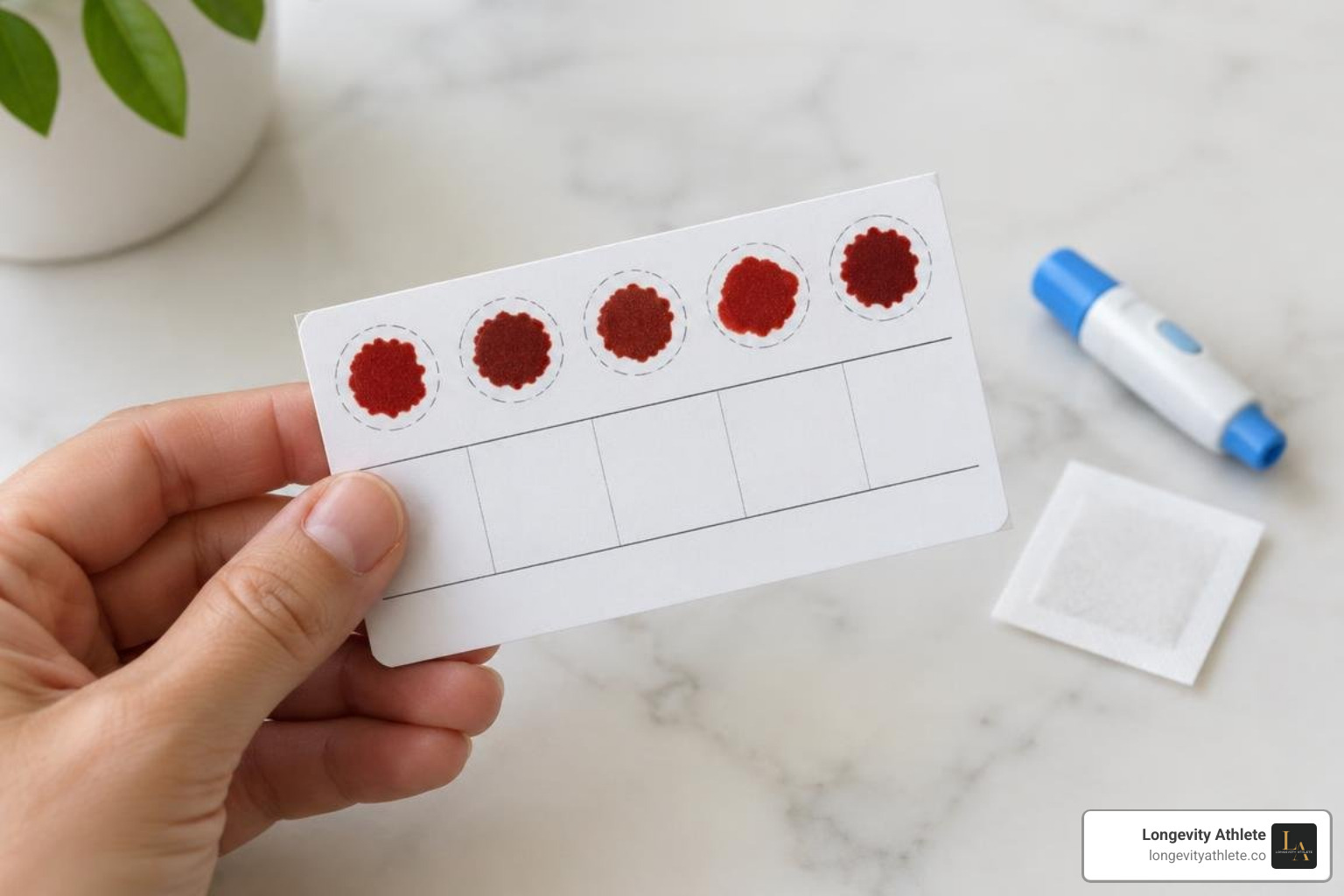
At-home testing kits typically cost anywhere from $70 to $150 and come in two distinct formats: rapid point-of-care lateral flow cartridges that yield results in 10 to 15 minutes, and dried blood spot (DBS) cards that you mail to a certified laboratory.
For instance, rapid lateral flow devices such as the CRP Test from The Tester demonstrate a sensitivity of 100.00% and a specificity of 96.60%, with an overall accuracy of 99%. However, mail-in DBS cards analyzed via standard laboratory assays remain the preferred choice for quantitative hs-CRP precision.
Step-by-Step Process on How to Test for Inflammation at Home
To guarantee clinical-grade precision from your finger-prick collection, execute the following protocol:
Hydrate Thoroughly: Drink 16 to 20 ounces of water 30 minutes before collection to improve peripheral blood flow.
Warm Your Hands: Wash hands under warm water for 2 minutes to dilate capillary vessels in the fingertips.
Disinfect: Clean the side of your ring or middle finger with an alcohol prep pad and allow it to air-dry completely.
Puncture: Place the single-use lancet firmly against the side of your fingertip and activate the trigger.
Wipe the First Drop: Wipe away the very first drop of blood with a sterile gauze pad, as it contains excess interstitial fluid that can dilute the sample.
Collect Free-Flowing Drops: Gently massage your hand from palm to finger base. Allow large, hanging drops to fall naturally into collection circles on the card without scraping your skin against the paper.
Dry and Ship: Let the card air-dry flat for at least 3 to 4 hours away from direct sunlight before placing it in the desiccant pouch and mailing it.
Protocol Pitfalls When Learning How to Test for Inflammation at Home
Even high-precision testing kits produce misleading numbers if you overlook collection variables:
Testing After Heavy Training: Hard eccentric lifting or ultra-endurance sessions create transient muscle damage that spikes systemic cytokines for 24 to 48 hours. Always allow a 48-hour rest window before testing.
Recent Minor Illness: A lingering head cold or dental infection will send CRP levels soaring, masking your true chronic baseline.
Medication Timing: Regular use of non-steroidal anti-inflammatory drugs (NSAIDs) or statins can suppress circulating CRP, hiding underlying baseline stress.
Circadian Fluctuations: Biomarkers shift throughout the day. Always collect your sample first thing in the morning while fasting.
Interpreting Results and Next Steps for Optimal Health
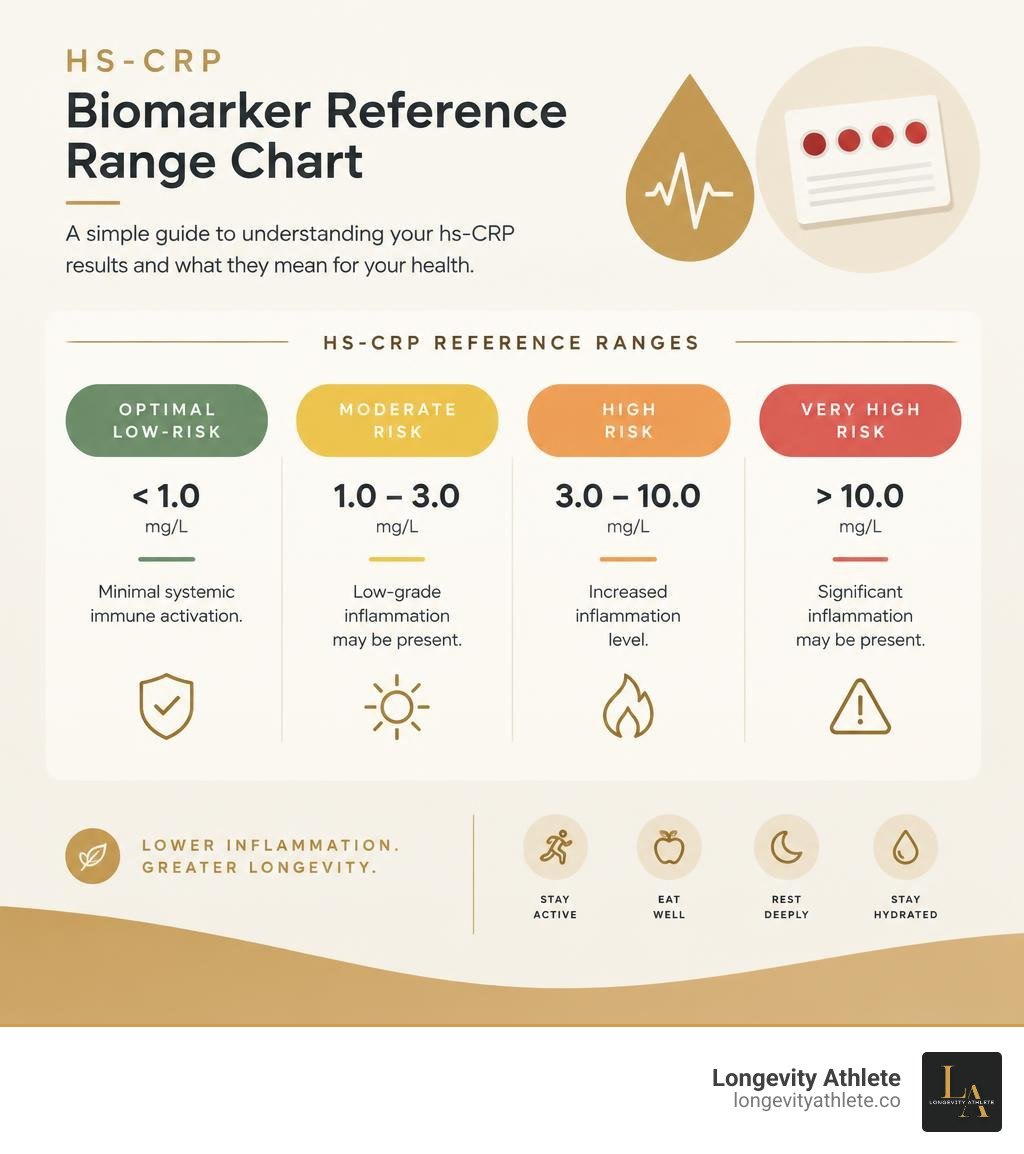
Once your results arrive, review the numbers against validated clinical categories:
For deeper context on analyzing specific quantitative ranges, our guide on at-home CRP testing insights breaks down the cellular mechanisms behind acute spikes.
Understanding hs-CRP Reference Ranges and Flare Patterns
Optimal Low-Risk (< 1.0 mg/L): Minimal systemic immune activation. Your training load, recovery routines, and nutritional habits are well balanced.
Moderate Risk / Low-Grade Inflammation (1.0 to 3.0 mg/L): Subclinical inflammation. Often tied to lifestyle stressors, poor sleep quality, minor gut permeability, or early metabolic friction.
Elevated Inflammation (3.0 to 10.0 mg/L): Active, ongoing inflammation. Typically reflects chronic joint issues, substantial systemic stress, metabolic syndrome, or lifestyle burnout.
Acute Spike (> 10.0 mg/L): Immediate immune mobilization. This reflects active acute infection, recent physical trauma, severe flare-ups, or systemic illness rather than baseline lifestyle strain.
Actionable Lifestyle Adjustments and When to See a Doctor
If your test indicates mild to moderate elevation (1.0 to 3.0 mg/L), you can implement targeted lifestyle protocols to restore balance:
Optimize Essential Fatty Acids: Increase wild-caught cold-water fish intake or supplement with high-purity EPA/DHA omega-3 fatty acids.
Eliminate Inflammatory Triggers: Temporarily cut out refined seed oils, ultra-processed sugars, and alcohol to lower hepatic stress.
Targeted Polyphenol Support: Incorporate therapeutic botanical extracts like curcumin (paired with piperine) and ginger to down-regulate NF-kB transcription pathways.
Prioritize Sleep Architecture: Protect 8 hours of restorative sleep to allow natural lymphatic and cellular clearing mechanisms to work.
If your hs-CRP levels remain persistently above 3.0 mg/L across repeated tests—or if you record a value exceeding 10.0 mg/L without an obvious acute cause—schedule an evaluation with your physician. A doctor can order comprehensive clinical workups, including Erythrocyte Sedimentation Rate (ESR), comprehensive metabolic panels, and autoimmune antibody screens.
Athletes seeking structured recovery support often benefit from our personalized health consulting services to align biomarker data with customized performance goals.
Frequently Asked Questions About Testing Inflammation at Home
How often should I check my inflammation levels at home?
For general longevity and performance maintenance, checking your hs-CRP levels two to four times per year provides a clear baseline and reflects seasonal lifestyle shifts. If you are actively working through a recovery protocol or addressing gut issues, retesting every 8 to 12 weeks helps verify that your interventions are working.
Can medications like NSAIDs or statins alter my test results?
Yes. Over-the-counter NSAIDs (such as ibuprofen or naproxen), prescription corticosteroids, and statin medications blunt hepatic CRP synthesis. If you take these medications, document your dosage and timing alongside your test results to ensure accurate interpretation.
Can acute stress or hard workouts skew inflammation markers?
Strenuous training sessions that cause significant muscle damage trigger an immediate interleukin-6 surge, which temporarily drives up hepatic CRP. High acute psychological stress can also prompt short-term elevations. For the most accurate baseline reading, schedule your test after a full rest day.
Conclusion
Proactive health ownership begins with objective biological data. By tracking physical signs, monitoring wearable metrics, and using validated at-home testing kits, you can uncover hidden systemic friction before it limits your athletic potential or daily health.
At Longevity Athlete, we believe precision testing removes the guesswork from human performance. While The Signature Plan is a self-guided group program, The Gold and Platinum Plans create individualized lifestyle protocols built around your distinct biomarker data.
Take charge of your health trajectory and transform your vitality with precision longevity protocols tailored to your physiology.